Healthy desserts
By The ThatCleanChef Kitchen · Updated June 29, 2026 · 9 min read
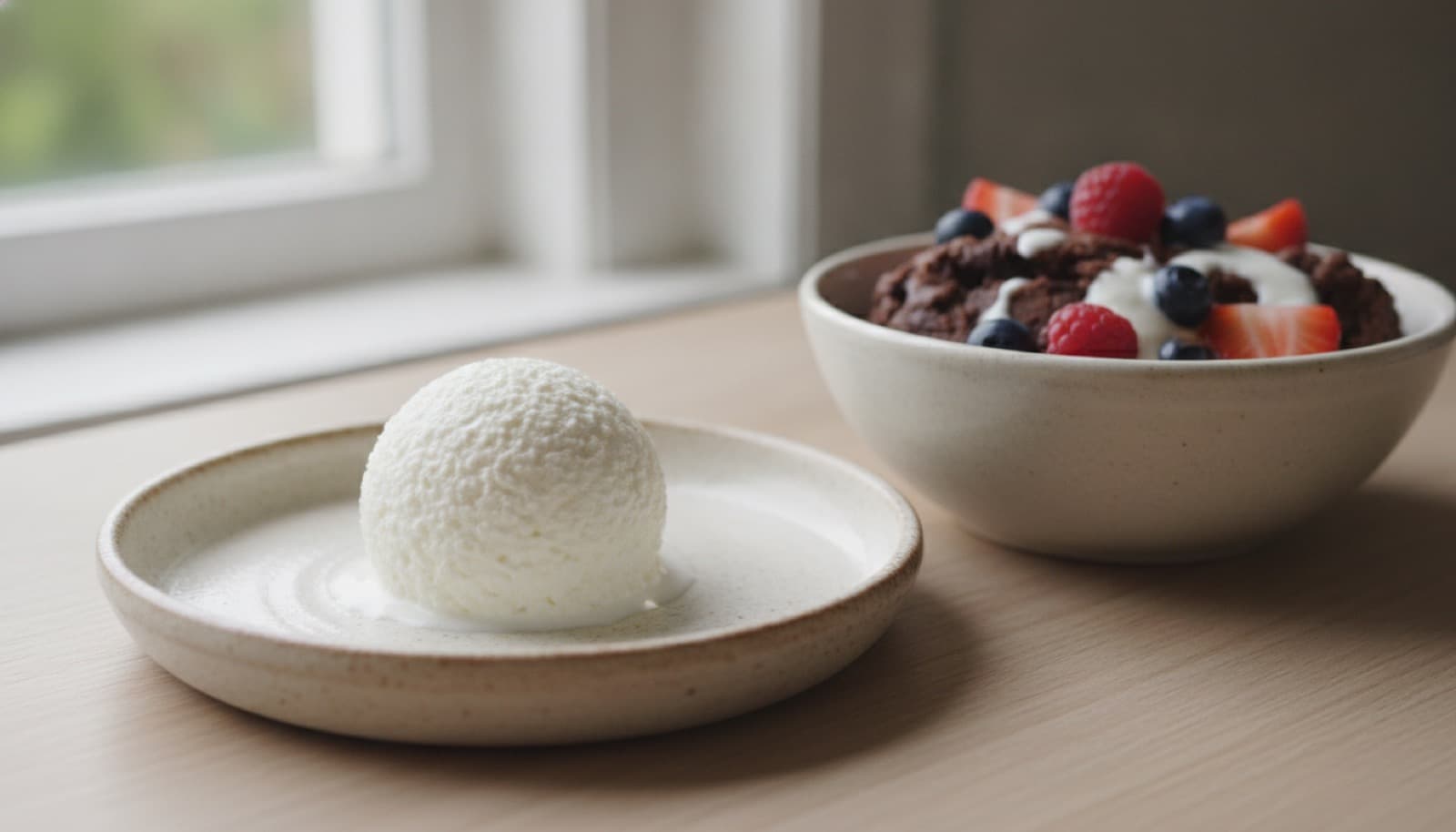
A healthy dessert is one that scratches the sweet itch without being a sugar bomb, which usually means leaning on protein and real fruit instead of a cup of sugar. This is how to build a dessert that earns its place, plus the chef-tested sweets on this site. Start with the cottage cheese ice cream, the cottage cheese cookie dough, chia pudding three ways, or baked oatmeal. Part of the meal-types guide.
We'd rather answer the question you actually asked in the first paragraph, then earn your trust by showing the chef notes.
What actually matters, in order.
- 01
The honest frame: protein-forward, sugar kept in check
A healthy dessert isn't a contradiction, it's one built so the sweetness comes from fruit and a sensible amount of sugar, with protein doing the heavy lifting so it satisfies instead of spiking. We don't call anything guilt-free, and we don't pretend a 24g-protein bowl is broccoli. We just keep the added sugar honest and tell you the number.
- 02
Cottage cheese is the secret to high-protein sweets
Blended, it goes silky and disappears into desserts. Cottage cheese ice cream is 22g protein from a loaf pan (honey, vanilla, a pinch of salt), and the cottage cheese cookie dough is a no-bake 24g-protein bowl. Both deliver the dessert hit with a fraction of the sugar and a real protein number.
- 03
Fruit-and-pudding desserts that double as breakfast
Chia pudding three ways is 18g protein and sweet enough to close a meal, but clean enough to eat at 8am. Baked oatmeal sets like a soft cake and works as a not-too-sweet dessert with a spoon of yogurt. The line between a smart dessert and a smart breakfast is thinner than the food industry wants you to think.
- 04
Make-ahead, portion-controlled sweets
The trap with dessert is the open bag. Freeze cottage cheese ice cream in a loaf pan and scoop a portion, chill the cookie dough and bowl out a serving, batch chia pudding into jars. Pre-portioning is half the battle, and every dessert here is built to be made ahead and rationed.
- 05
What we won't pretend
These are desserts, not health food. They're better than a pint of regular ice cream because of the protein and the lower sugar, but moderation still applies. We label the added-sugar gram count on each so you can decide, and we never use 'skinny' or 'guilt-free' to sell you a bowl of dessert.
The questions cooks bring us.
- Can a dessert actually be healthy?
- Healthier, yes; health food, no, and we won't pretend otherwise. A dessert built on protein (blended cottage cheese, Greek yogurt) and real fruit with a sensible amount of added sugar satisfies the craving without the spike-and-crash of a sugar bomb. The cottage cheese ice cream and cookie dough here both clear 22g of protein. We label the added-sugar number so you can decide.
- What's a high-protein dessert that isn't just protein powder?
- Blended cottage cheese is the answer. Cottage cheese ice cream is 22g protein from a loaf pan with honey and vanilla, no powder; the cottage cheese cookie dough is a no-bake 24g-protein bowl. Greek yogurt and chia pudding round it out. Real-food protein brings a texture and satiety that a scoop of whey in water never will.
- How do I stop overeating dessert?
- Pre-portion it and lead with protein. The open bag or the whole pan is the problem; a single scoop of cottage cheese ice cream from the freezer or one bowled-out serving of cookie dough is the fix. A protein-forward dessert also satisfies faster, so a smaller portion actually lands. Every dessert here is built to be made ahead and rationed.
- Are these desserts low in sugar?
- Lower, by design, the sweetness leans on fruit and a measured amount of honey or sweetener rather than a cup of sugar, and the protein keeps them satisfying. We label the added-sugar gram count on each recipe so it's not a guess. They're a smarter dessert, not a sugar-free one, and we keep that distinction honest.
The 11 recipes that fit the brief
Every one is chef-tested with a Nutrition Ledger above the fold. Browse the full meal-types guide for the other meal slots.
- Apple Crisp: Two Varieties, Cold Butter, Forty-Five Minutes3g P
- Protein Brownies: 13g Protein, Fudgy Not Chalky13g P
- Cottage Cheese Ice Cream: Vanilla22g P
- Chia Pudding Three Ways: Berry, Cocoa, Tahini18g P
- Cottage Cheese Cookie Dough: 24g Protein, No Bake24g P
- Overnight Oats: 19g Protein, 5 Minutes the Night Before19g P
- Baked Oatmeal: One Dish, 45 Minutes, a Week of Breakfasts9g P
- Protein Ice Cream: The Blender Method, 24g Protein24g P
- High-Protein Banana Bread: 12g Protein a Slice, Still Moist12g P
- Zucchini Bread: Moist, Never Soggy, Lower in Sugar4g P
- Energy Balls: No-Bake, Date-Sweetened, Actually Hold Together3g P
Where the technique comes from
About the ThatCleanChef Kitchen
A small team of recipe developers and food photographers testing recipes in home kitchens on home equipment. Every Nutrition Ledger is USDA FoodData Central-sourced and reviewed by Lena Marsh, RDN, MS. We don't pretend to be a single chef, we're the people behind the plates. Meet the full team →
Related posts
Fried Rice: Cold Rice, Hot Pan, and Soy Down the Side
Fried rice is a moisture-management problem wearing a stir-fry costume. Freshly cooked rice is saturated and its starch is still gelatinised, so it clumps and steams. Rice that has spent a night uncovered in the fridge has lost surface water and retrograded, and it separates into individual grains in a hot pan. Twenty-five minutes of cooking, and one decision made the day before.
Apple Crisp: Two Varieties, Cold Butter, Forty-Five Minutes
A watery apple crisp is not a topping problem. It is an apple problem and a time problem. One variety of apple gives you either mush or raw wedges, and thirty minutes is long enough to brown a topping but not long enough to cook fruit through and drive off its water. Two varieties, a spoon of cornstarch, coarse oat topping made with cold butter, and forty-five minutes at 375F. Seventy-five minutes total, and it wants twenty of them to rest.
Coleslaw: Salt the Cabbage, Squeeze It, Then Dress It
Coleslaw goes watery for one reason. Cabbage is ninety-two percent water, and if you dress it raw, the salt in the dressing pulls that water out over the next hour and dilutes everything you just made. Salt the shredded cabbage first, let it drain for thirty minutes, squeeze it, and then dress it. Fifty minutes including the wait, and the difference is a slaw that is still crunchy on day three.
The Clean Chef Starter Kit.
A 14-day anti-inflammatory meal plan PDF, grocery list by section, macros totaled per day, Sunday prep sequence. Free.
By subscribing, you agree to our Privacy Policy. One calm email a week. Unsubscribe anytime.